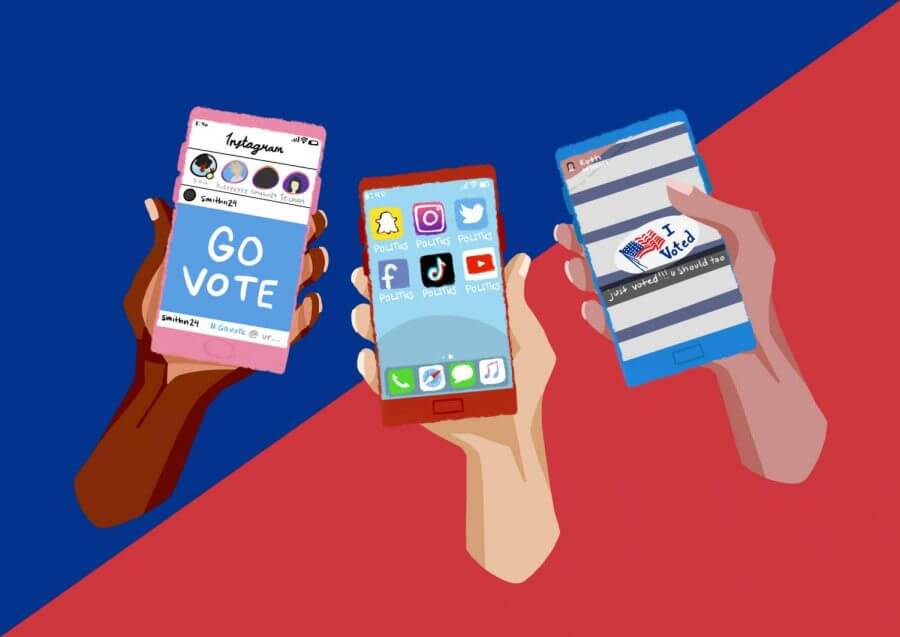
Believe it or not, social media has become a crucial component of our lives. Social media and politics are now inseparable because there is so much happening in politics that needs to be shared where most people are active.
A popular hashtag like #importedhukumatnamanzoor is still trending on Twitter and Instagram with millions of mentions. This shows that the youth relies heavily on social media to share their opinions and thoughts.
Not just the youth, but political parties and public figures use social media to communicate with people. Often, social media is even more authentic and relevant than mainstream media, which sometimes hesitates to reveal the full story.
So, the question arises: should politicians use social media, and is it helpful to convey their message?
Yes! Politicians Should Definitely Use Social Media
Politicians should use social media, but in a clean and fair way:
- No dirty politics
- No conspiracies
- No misinformation
If politicians cannot maintain honesty, it’s better to stay away. Social media platforms are used by billions of people, and misleading content can cause irreversible damage.
Why Social Media Matters for Politicians
- Direct Communication: Represent parties and communicate directly with the public
- Share Objectives: Tell people how they can bring change
- Build Trust: Position themselves as trusted candidates
- Viral Potential: Excellent speeches and ideas can gain maximum attention and support
⚠️ Caution: Social media can also be a politician’s worst enemy. A single negative act or remark can damage reputation, trust, and public confidence.
Best Ways for Politicians to Use Social Media
1. Create Positive Content
- Focus on meaningful content for the community
- Avoid allegations, rumors, or false information
- Share contributions and achievements
- Keep posts short, engaging, and informative
2. Deal with Trolling and Harassment
- Social media comes with trolling and harassment
- Do not respond to negative comments publicly
- Leave reporting and conflict resolution to supporters or professionals
- Always stay sensible and mature
3. Ask Questions and Respond
- Ask questions that engage the public
- Respond to comments to build trust and show concern for community opinions
- Launch Q&A sessions to interact directly with voters
4. Use Popular Social Media Channels
- Focus on platforms with high active users:
- Facebook: 2.9 billion users
- Twitter: 290.5 million users
- Instagram: 1.21 billion users
- Expand presence gradually to maximize engagement
ALSO READ
- nteresting Ways to Use Social Media for Political Campaigns
- Social Media Mistakes That Every Politician Should Avoid
- Pakistani Politicians with Largest Fan Following
- How PMLN Can Counter PTI’s Narrative on Social Media
Are You Ready to Join Social Media Channels?
If yes, it’s time to get help from professionals. Social media requires a robust strategy to win public trust and confidence.
Companies like One Politician can help:
- Create effective strategies
- Position politicians as trusted, responsible, and sensible leaders
- Manage campaigns professionally and safely
Take the first step to grow your political influence in today’s digital age.
Read More: [Important Do’s and Don’ts of Creating a Political Press Release]